





Quick Take: Watched The Plastic Detox on Netflix? One of the easiest places to reduce plastic is your home office. Swapping everyday plastic office products for durable alternatives made from glass, wood, leather, and metal can create a workspace that's easier to maintain, built to last, and less reliant on disposable plastics.
Looking to Reduce Plastic in Your Home Office?
Plastic is everywhere in the modern home office. From chair mats and monitor risers to mouse pads and desk organizers, many of the products we use every day are made from plastic—and many are designed to be replaced every few years as they crack, warp, or wear out. Fortunately, creating a more plastic-free workspace doesn't require replacing everything at once. By making thoughtful upgrades over time, you can reduce reliance on plastic while creating an office that's more beautiful, more durable, and more enjoyable to use every day.
How The Plastic Detox Is Changing the Conversation About Plastic

The Plastic Detox on Netflix has many people rethinking how much plastic is in their homes—including their home offices.
The documentary follows several families as they work to dramatically reduce their exposure to plastics in their everyday lives. Throughout the series, experts discuss growing concerns surrounding plastic waste, microplastics, and chemicals commonly found in many plastic products. The film also explores emerging research examining potential links between certain plastic-related chemicals and human health, including reproductive health and fertility concerns.
One of the most eye-opening takeaways is just how much plastic has become embedded in our daily routines. From food packaging and storage containers to household goods and office products, many people are surprised to discover how difficult it can be to avoid plastic entirely.
While The Plastic Detox doesn't suggest eliminating every plastic product overnight, it encourages viewers to take a closer look at the items they use most often and consider where more durable alternatives may make sense.
For many people working from home, that realization extends directly to the office. What may seem like a simple desk setup often contains a surprising amount of plastic.
The Surprising Amount of Plastic in a Typical Home Office
Home offices have evolved dramatically over the past few years. What began as a temporary work-from-home setup for many people has become a permanent part of daily life. Unfortunately, many office products are still made from low-cost plastics designed for short-term use rather than long-term durability.
|
Common Office Item |
Typical Material |
|
Chair Mat |
PVC or Polycarbonate |
|
Monitor Riser |
Plastic |
|
Desk Organizer |
Plastic |
|
Mouse Pad |
Synthetic Materials |
|
Storage Solutions |
Plastic |
The good news is that many of these items can be replaced with durable alternatives that not only look better but are built to last significantly longer.
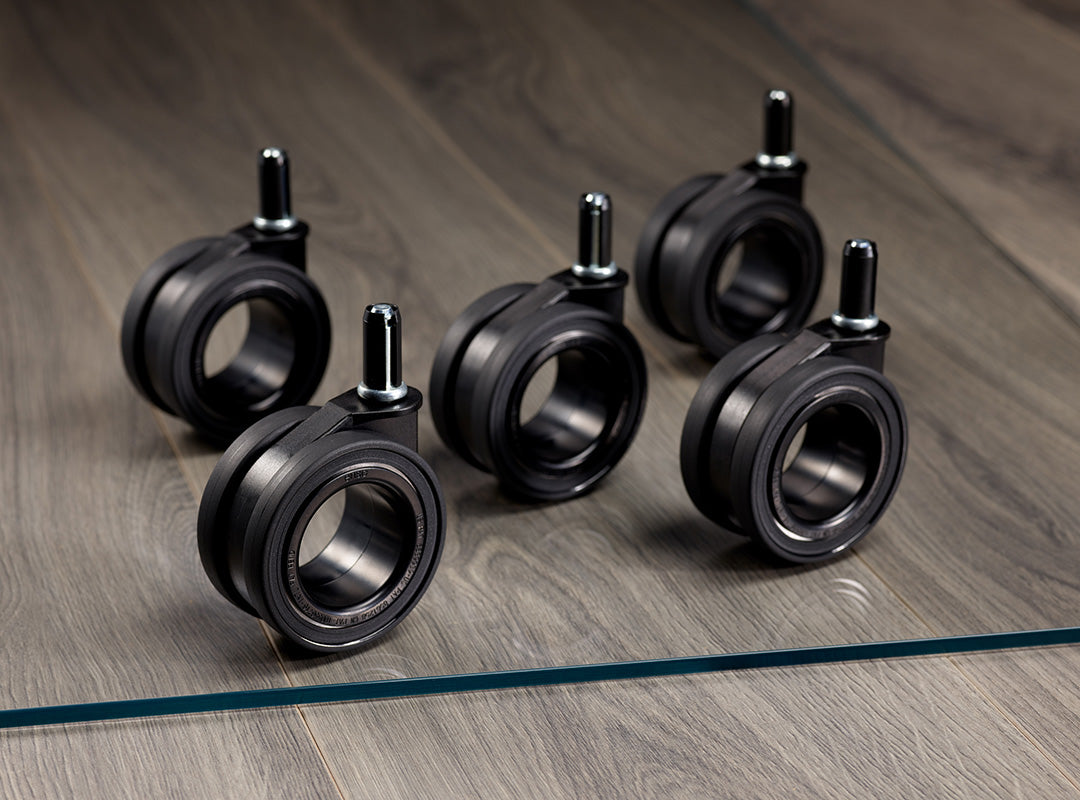
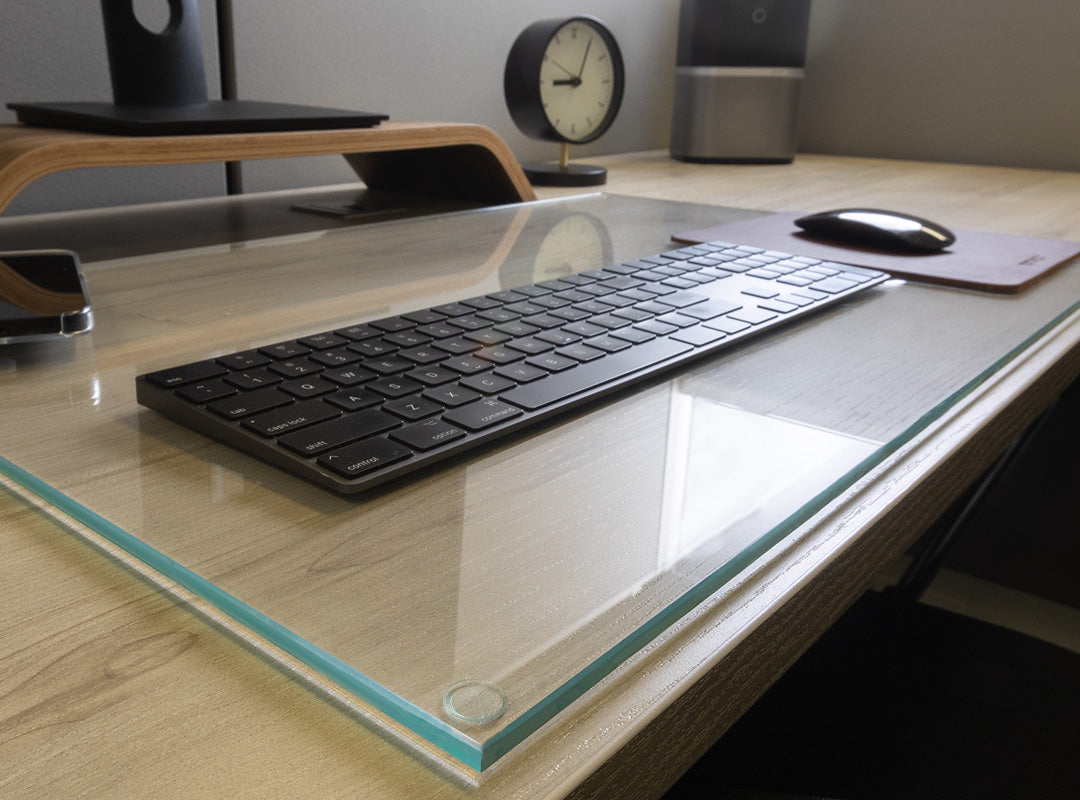
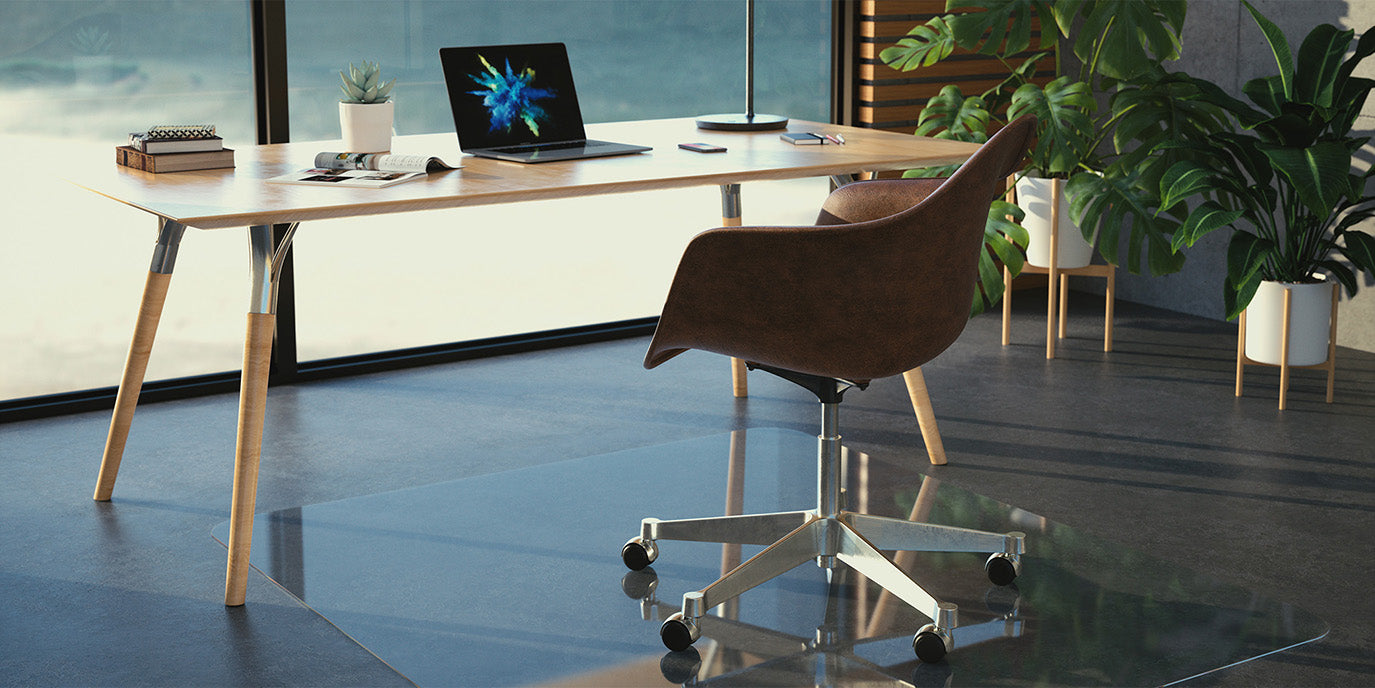
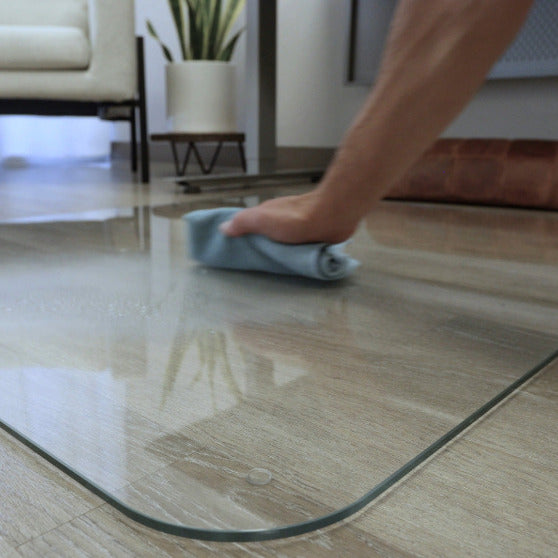
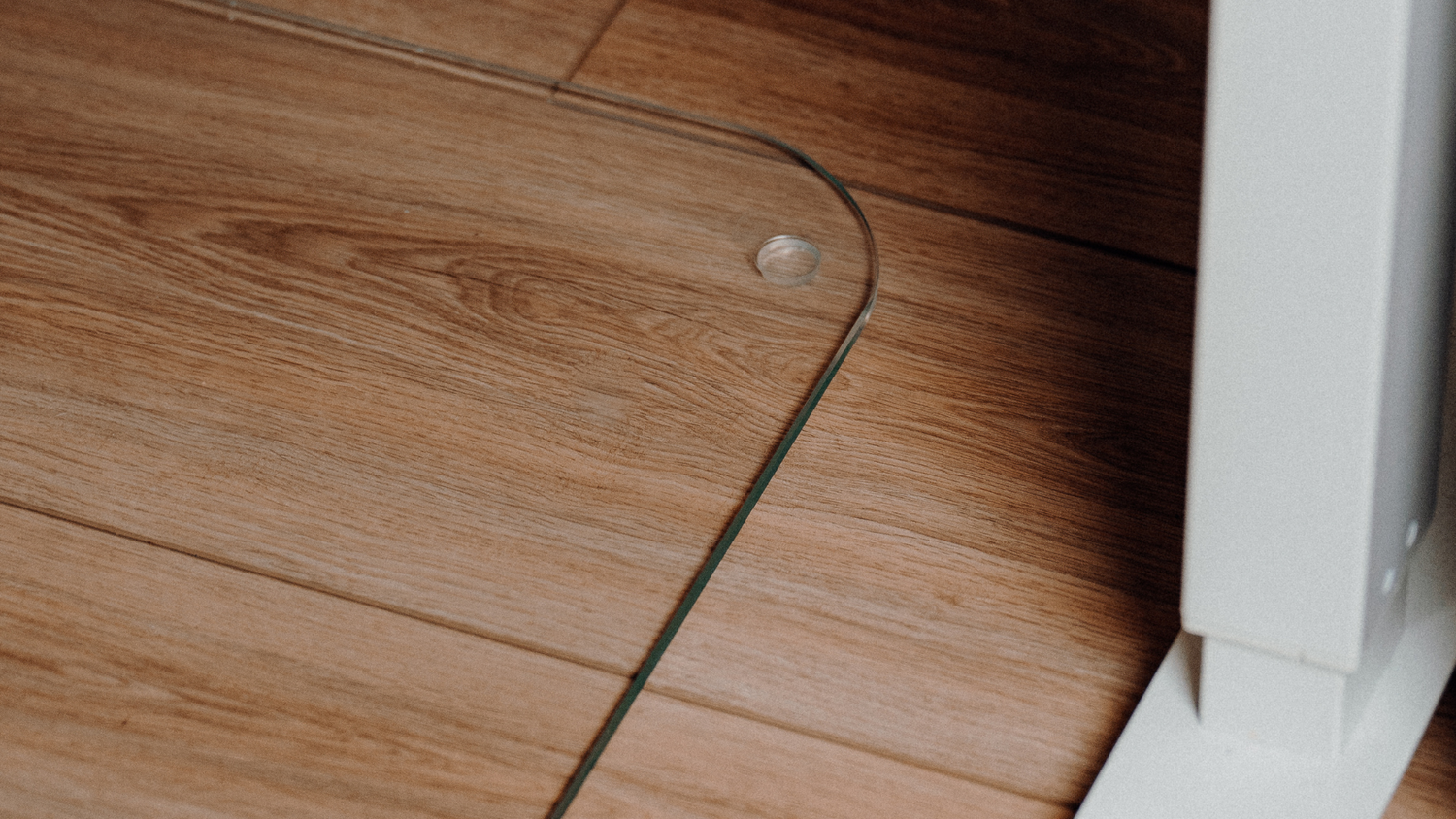
1. Replace Plastic Chair Mats with a Glass Chair Mat

2. Upgrade to a Wooden Monitor Riser

Monitor risers are another overlooked source of plastic in many home offices. A Wood Monitor Riser provides the same ergonomic benefits while introducing a natural material that adds warmth and character to a workspace.
In addition to elevating your monitor to a more comfortable viewing height, a well-designed wooden riser can create additional storage space underneath for notebooks, keyboards, and office supplies.
The result is a cleaner desk and a more refined work environment.
3. Swap Synthetic Mouse Pads for Leather

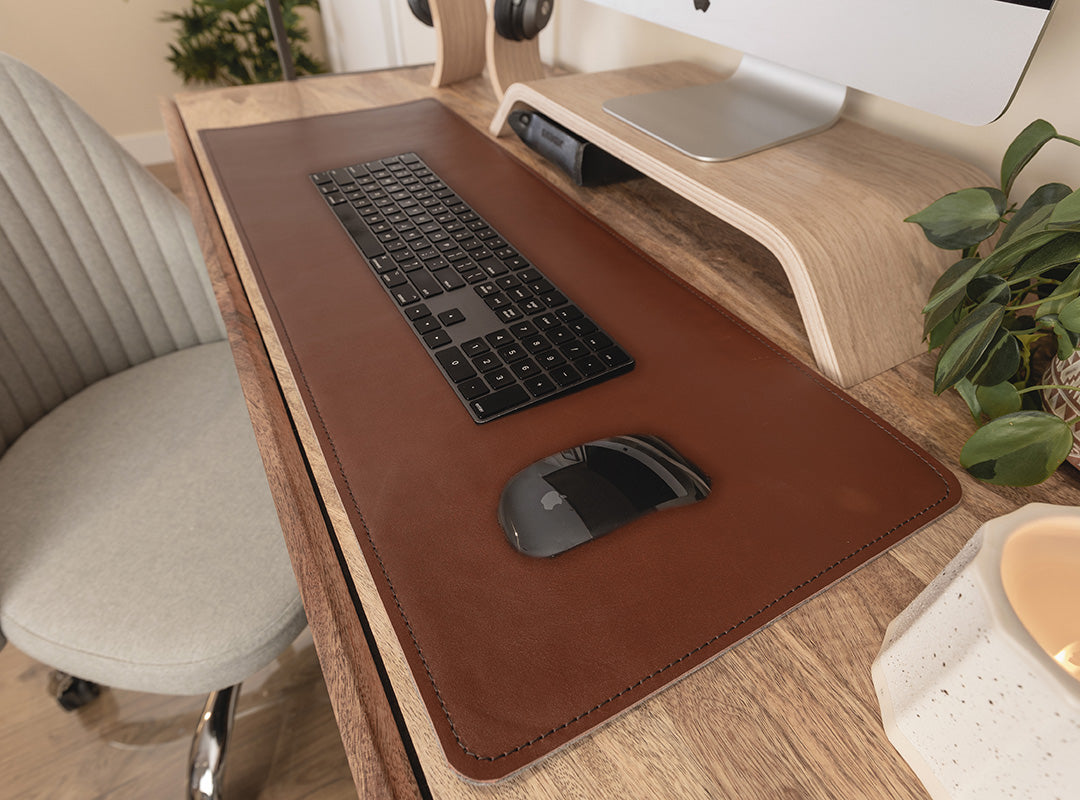
Mouse pads may seem like a small detail, but they are used every day. Many conventional mouse pads are made from synthetic rubber, foam, and plastic materials that wear down over time.
A Leather Mouse Pad offers a more durable alternative while adding a premium feel to your workspace. Natural leather develops character as it ages and often outlasts many mass-produced synthetic options.
For those looking to reduce plastic without sacrificing style, this is one of the easiest upgrades to make.
4. Organize Your Desk with a Leather Valet Tray

Desk clutter is often managed with plastic organizers and catch-all containers. A Leather Valet Tray serves the same purpose while bringing a more sophisticated look to your office.
Perfect for storing:
- Keys
- Earbuds
- Charging cables
- Watches
- Everyday carry items
A valet tray helps keep small items organized and within reach while reducing the need for additional plastic desk accessories.
5. Add a Leather Footrest for Everyday Comfort

Ergonomic comfort is an important part of any productive workspace.
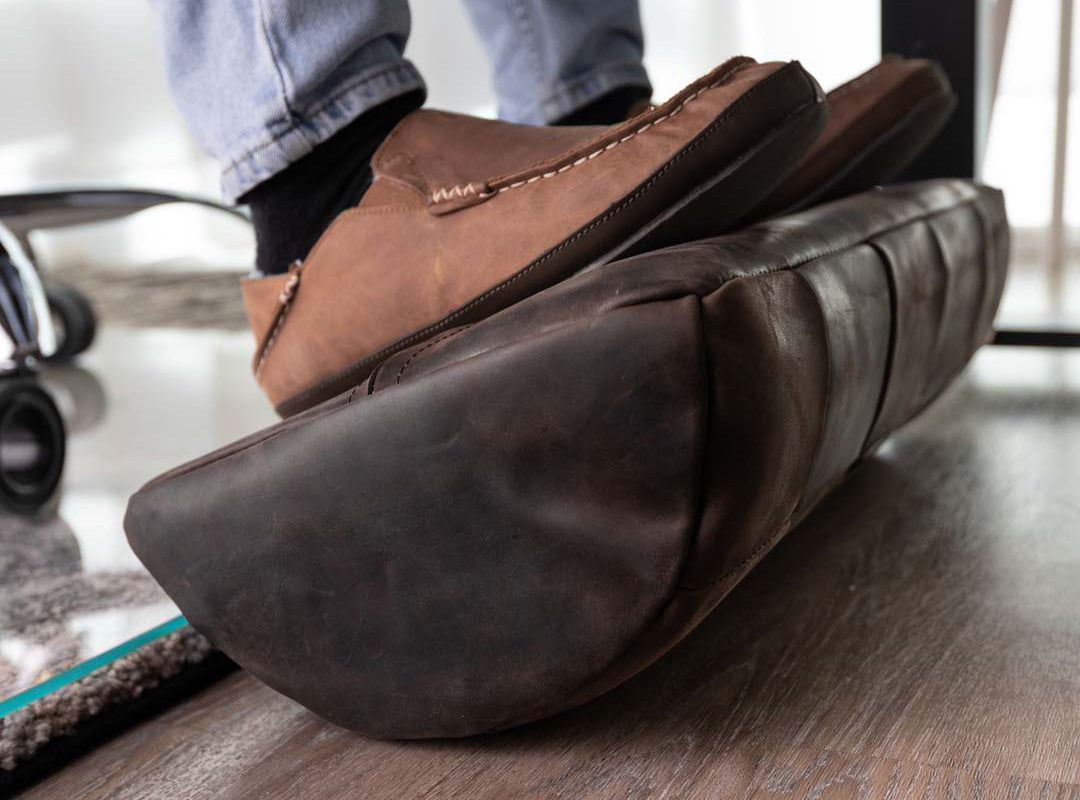
Many footrests are made from molded plastic and covered in synthetic materials. A Leather Footrest provides support while incorporating natural materials into your office design.
Whether you're spending a few hours at your desk or working full-time from home, a quality footrest can help improve comfort and encourage better posture throughout the day. It's a simple addition that can make a noticeable difference in your workspace.
6. Choose Natural Materials Whenever Possible
Creating a more plastic-free home office doesn't have to happen overnight. In fact, the most practical approach is to make thoughtful upgrades as products wear out or need replacement.
When evaluating office products, consider materials such as:
- Glass
- Wood
- Leather
- Metal
These materials are often chosen for their durability, timeless appearance, and long lifespan.
A workspace built around quality materials tends to feel more intentional, more professional, and more enjoyable to use every day.
Small Changes Can Make a Big Difference
One of the key takeaways from The Plastic Detox is that reducing plastic use doesn't require a complete lifestyle overhaul. Instead, it often starts with small, manageable changes.
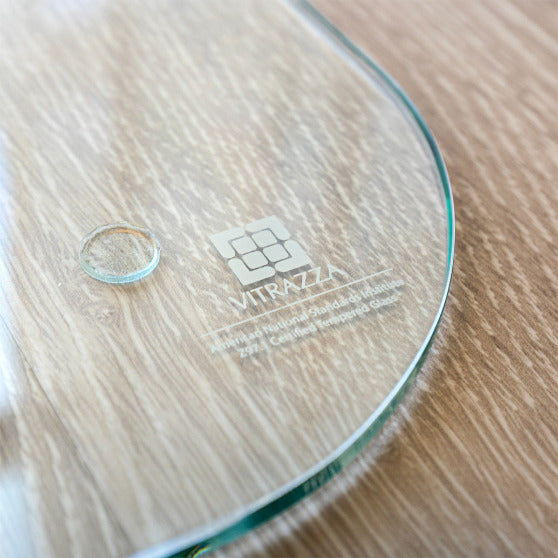
For home office workers, that could mean replacing a cracked plastic chair mat with a Vitrazza Glass Chair Mat. It could mean choosing a wooden monitor riser instead of a plastic stand or upgrading everyday desk accessories to materials designed to last.
Over time, those small decisions add up.
The result is a workspace that looks better, functions better, and relies less on products designed to be replaced every few years. By choosing durable materials like glass, wood, and leather, home office workers can create an office that feels more refined, performs better day after day, and generates less waste over time.
