





Looking to Create a More Ergonomic Workspace?
Quick Take: Most people think improving ergonomics starts with buying a better office chair. While your chair is important, one of the most overlooked factors is how easily it moves. A smooth, stable rolling surface encourages natural movement throughout the workday, making it easier to reposition your chair, reduce awkward postures, and create a more comfortable workspace.
When most people think about ergonomics, they picture an expensive office chair, a height-adjustable desk, or perhaps a monitor riser. Those upgrades certainly matter and are part of a complete ergonomic office setup, but they overlook something important... Your chair was designed to move.
Every time you reach for a notebook, pivot toward another monitor, slide closer to your desk, or roll away to access a filing cabinet, your body relies on smooth, effortless movement. Yet the surface beneath your chair is often treated as an afterthought.
As it turns out, it shouldn't be.
Ergonomics Isn't About Sitting Perfectly
For years, ergonomic advice focused on finding the "perfect" sitting posture. Today, ergonomics experts understand something different. The goal isn't to stay perfectly still. It's to move more often.
Frequent movement helps reduce prolonged static postures, encourages natural repositioning throughout the day, and allows different muscles to share the workload instead of remaining under constant strain. These small adjustments-sometimes called mini-movement breaks-occur naturally throughout the workday when it's easy to move.
Larger movement breaks matter, too. Simple activities like standing, walking, or performing a few stretches at your desk can help break up long periods spent in the same position.
That's why modern ergonomic workspaces aren't designed simply for comfort. They're designed to make movement effortless.
Everyone Talks About the Chair. Almost Nobody Talks About the Floor.
Search online for ergonomic office advice and you'll find countless recommendations for:
- Ergonomic office chairs
- Sit-stand desks
- Adjustable monitor arms
- Keyboard placement
- Footrests
- Proper desk height
All of these contribute to a healthier workstation. But one component is rarely discussed: The surface your chair rolls on.
Think about how many times you move your chair during a typical workday.
- You roll closer to your desk.
- You slide back to stand up.
- You pivot between monitors.
- You reach for paperwork.
- You reposition yourself dozens-if not hundreds-of times without even thinking about it.
If every one of those movements requires more effort because your chair sinks into carpet, catches in wheel tracks, or struggles over a worn plastic mat, those small inefficiencies add up over time. The right chair mat can support smoother movement while also helping protect the flooring underneath.
For a closer look at how different surfaces affect that decision, read Do You Need a Chair Mat? Reasons You Do for All Flooring Types.
Why Chair Mobility Matters
An ergonomic office isn't simply one that's comfortable. It's one that removes unnecessary obstacles to movement.
When your chair moves freely, it's easier to:
- Change positions throughout the day
- Reach different areas of your workspace
- Maintain a more neutral posture
- Avoid repeatedly twisting or leaning
- Transition between tasks with less effort
On the other hand, when your chair becomes difficult to move, people often compensate without realizing it.
- Instead of rolling toward something, they lean.
- Instead of repositioning, they stretch.
- Instead of moving the chair, they rotate their back or shoulders.
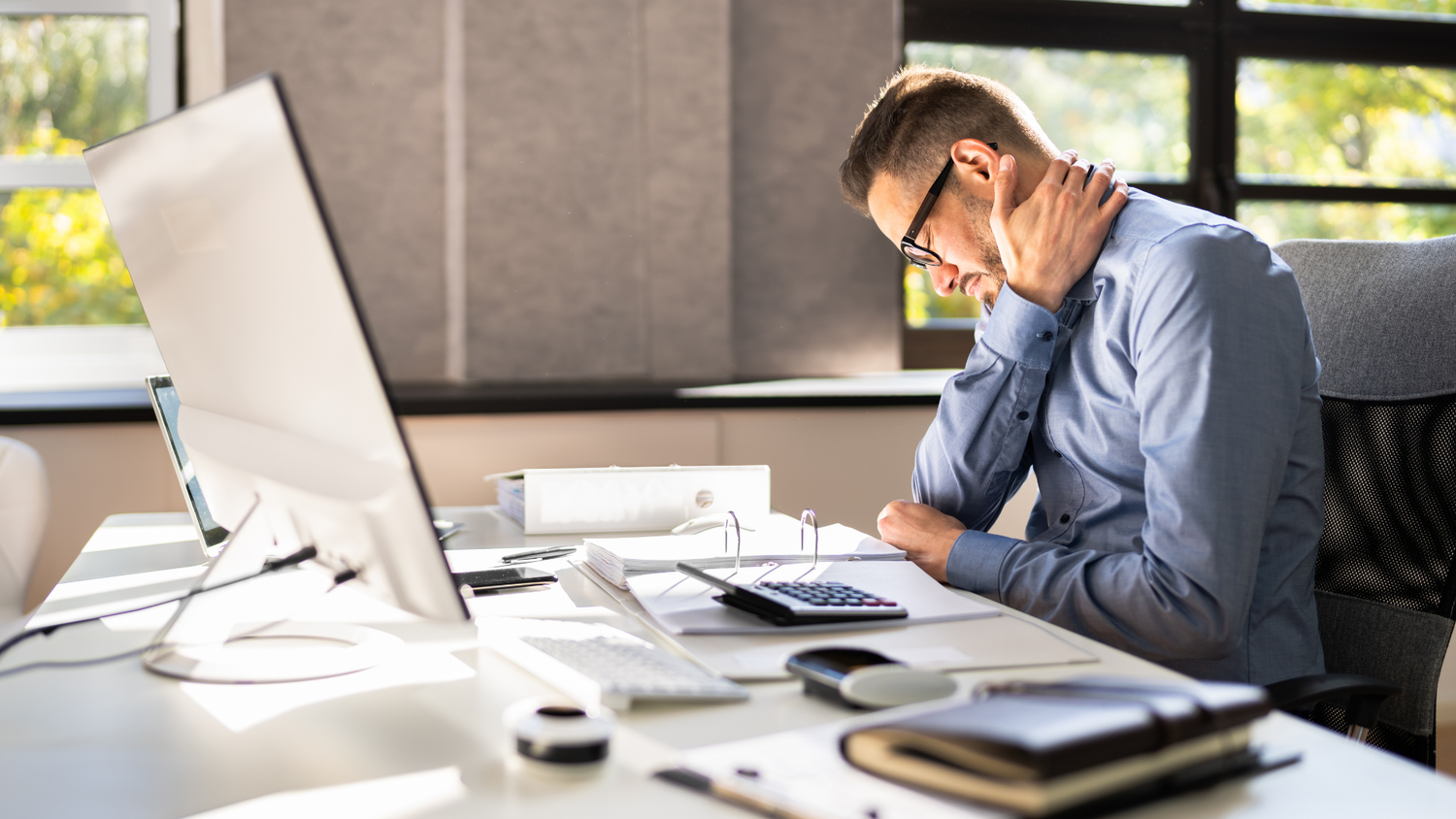
These small compensations may seem insignificant in the moment, but repeated thousands of times over weeks and months, they can contribute to awkward postures and a strained body.

The Problem with Traditional Plastic Chair Mats
Plastic chair mats are designed to make rolling easier than carpet alone, but many lose that advantage over time.
As they age, they can:
- Dent under the weight of an office chair
- Develop permanent ruts and wheel tracks
- Curl at the edges
- Crack or split
- Become uneven
Once those wheel ruts develop, your chair no longer rolls consistently. Instead of gliding across the surface, the wheels tend to settle into grooves that require additional effort to escape. Many people adapt without even realizing it. The chair becomes harder to move, so they simply move less.
What the Research Shows
This isn't just a theory.
Vitrazza partnered with Certified Professional Ergonomist Kelly Meetz to better understand how different flooring surfaces affect movement in the workplace.
The pilot study evaluated how much force was required to move an office chair across several common office flooring surfaces while also measuring changes in posture and movement throughout the workday. The findings were particularly interesting.
Surfaces that required less force to move the chair resulted in:
- Fewer awkward working postures
- More natural movement throughout the day
- More frequent mini-movement breaks
Among the surfaces evaluated, the Glass Office Chair Mat by Vitrazza demonstrated the greatest reduction in awkward postures while encouraging the highest number of mini-movement breaks. Rather than forcing users to work around their workspace, easier chair mobility encouraged people to move naturally as they performed everyday tasks.
If you'd like to explore the complete findings, you can read The Study That Changed What We Know About Ergonomics, where the research and methodology are explained in greater detail.

Why Glass Changes the Experience
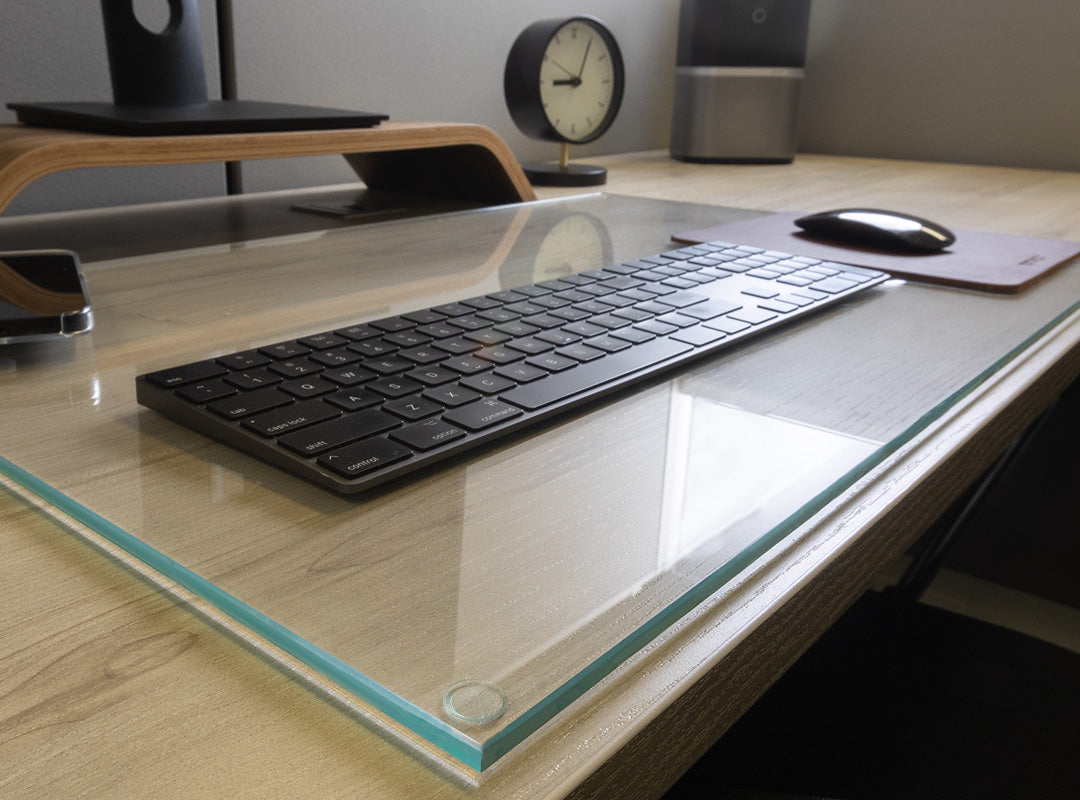
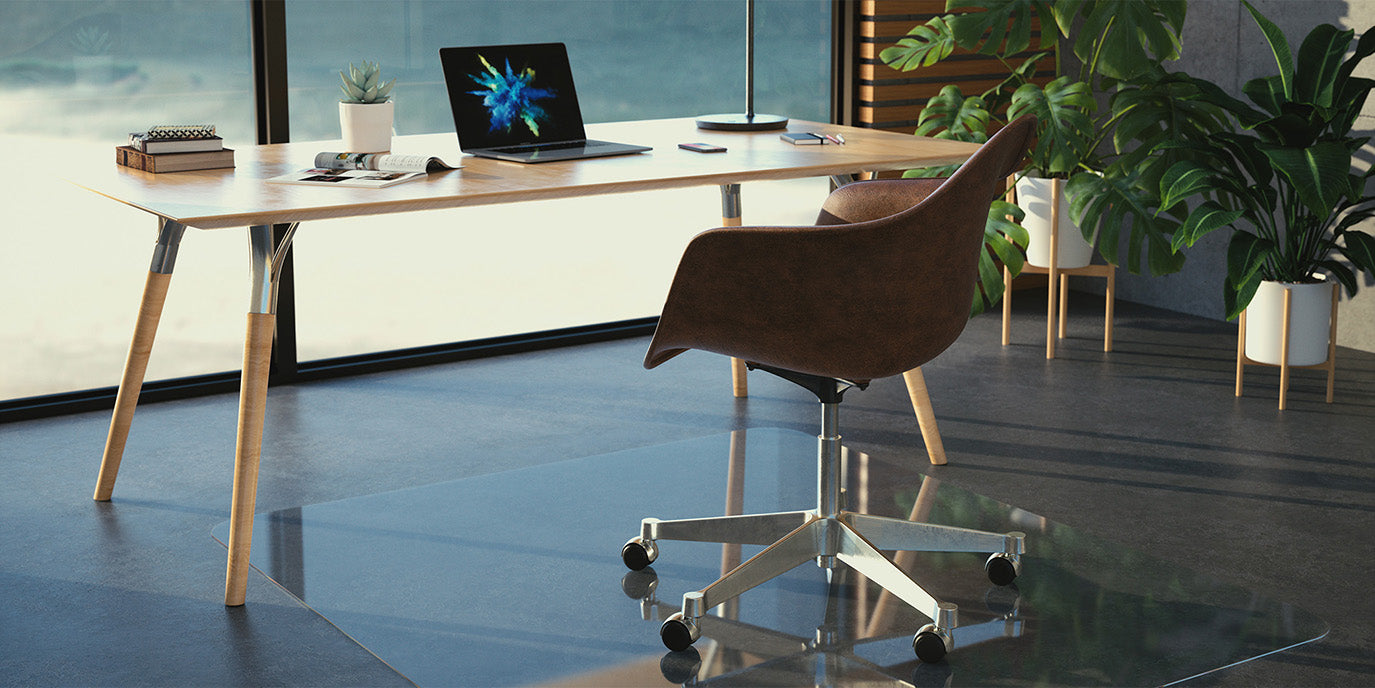
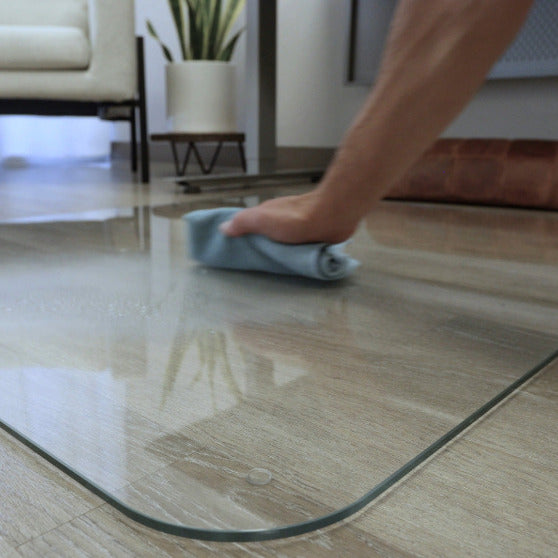
One of the biggest differences people notice after switching to a Glass Chair Mat isn't simply how it looks. It's how it feels to work. Because tempered glass remains perfectly flat and rigid, office chairs roll smoothly and consistently without sinking into the surface or becoming trapped in wheel tracks.
The result is movement that feels effortless.
- Reaching a desk drawer.
- Sliding closer to your keyboard.
- Rolling away from your desk.
Small movements become easier, allowing your workspace to work with you instead of against you.
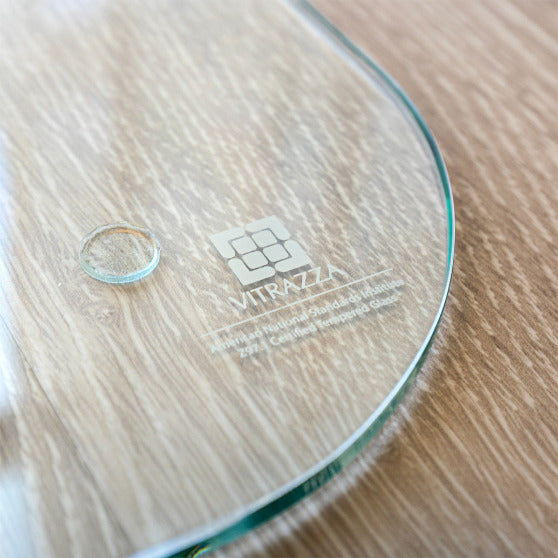
Unlike many plastic chair mats, a Vitrazza Glass Chair Mat won't dent, crack, curl, yellow, or develop deep wheel ruts under normal office use. Years later, it performs the same way it did on day one.
Glass Chair Mats are also remarkably easy to maintain. Dust, dirt, pet hair, and spills wipe away in seconds, helping keep your workspace looking as polished as it feels. And because the glass remains crystal clear, it protects hardwood, tile, laminate, and luxury vinyl plank flooring without hiding the beauty of the floor beneath.
Ergonomics Is About Removing Friction
When people hear the word "friction," they often think about the wheels rolling across a surface. But ergonomics is also about reducing friction in the way we work.
Every unnecessary obstacle changes how we move. Every extra effort required to reposition a chair influences posture, movement, and workflow.
The best ergonomic workspace isn't necessarily the one with the most accessories. It's the one that removes barriers between you and the way your body naturally wants to move. Movement starts with the surface beneath your chair.
Building a Better Ergonomic Workspace
Creating an ergonomic office isn't about buying one perfect product. It's about designing a workspace where every component works together.
Consider:
- An adjustable office chair that supports your body.
- An adjustable desk at the proper height.
- A monitor placed at eye level.
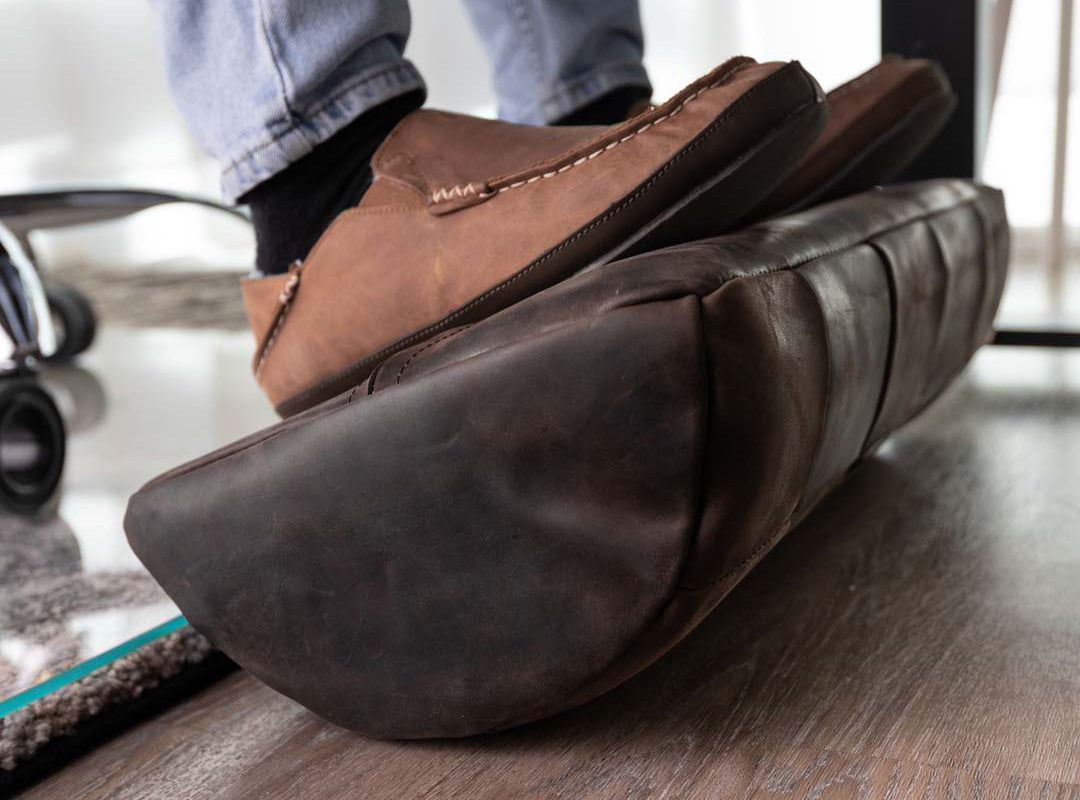
- A footrest that promotes comfortable leg positioning.
- Proper lighting to reduce eye strain.
- A Glass Chair Mat that allows smooth, effortless movement throughout the day.
When each element supports the others, your workspace becomes easier to use-and more enjoyable to spend time in.

Small Improvements Add Up
The best ergonomic workspaces aren't built around a single breakthrough. They're built from dozens of thoughtful decisions.
- A better chair.
- A properly positioned monitor.
- A supportive footrest.
- A smoother rolling surface.
Each improvement removes a small amount of effort from your day.
Together, those improvements create a workspace that encourages movement, supports productivity, and simply feels better to use. That's what ergonomics is really about.
